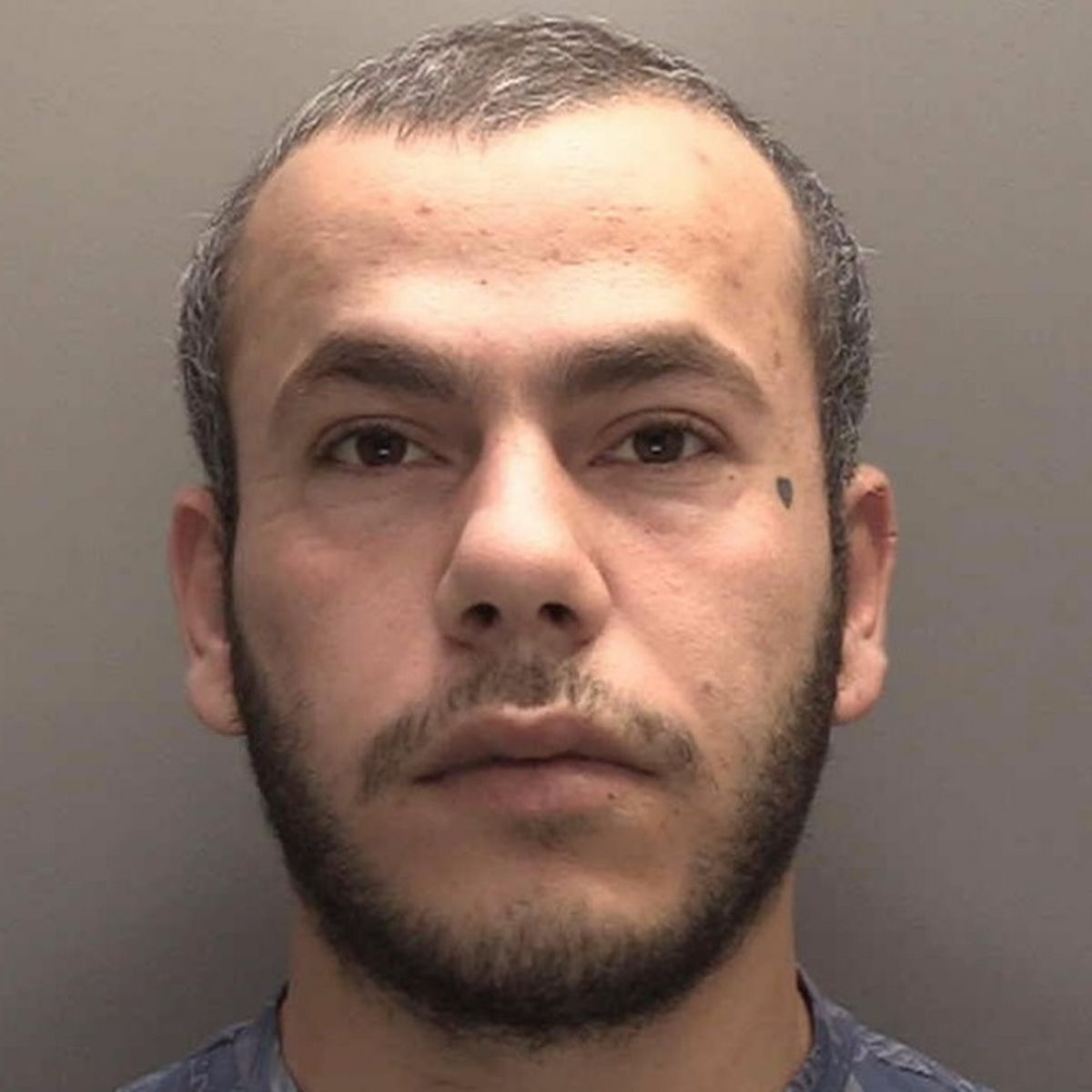
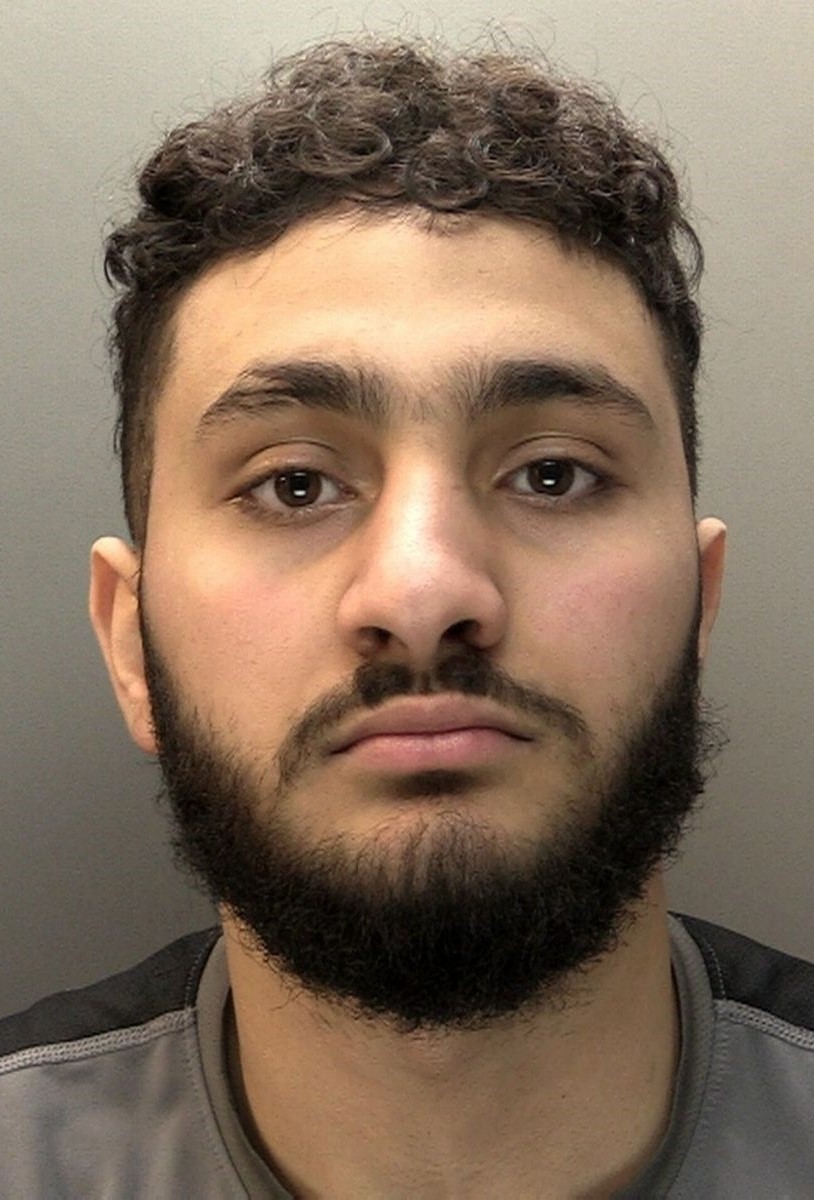
AHMED ALABDALLAH SENTENCED IN ST HELENS FOR ILLEGAL CHILD IMAGE OFFENSES
A man named Ahmed Alabdallah, who was found to have more than 200 illegal indecent images of children on two mobile phones, has been sentenced at Liverpool Crown Court but was spared immediate prison time due to the judge accepting his genuine remorse.
The court proceedings revealed that Alabdallah, aged 33, admitted to three counts of making indecent images, as well as possessing extreme pornography, an indecent photograph of a child, and prohibited images.
Prosecutor Ken Grant detailed that police, acting on international intelligence, executed a warrant at his home [private details withheld], St Helens, on July 7 of the previous year, where they seized two mobile phones.
Forensic analysis confirmed the presence of illegal content, including 126 category A images, 23 category B, 19 category C, along with prohibited and extreme pornographic images, totaling 207 files.
During police interviews, Alabdallah claimed he sourced all the material himself, stating, 'All illegal files were saved and sourced by me' and that he had no influence from others.
He also expressed remorse, stating that he did not derive gratification from viewing the material, which shocked him, and he kept the content to prevent his children from accessing it.
He further explained that normal pornography was also stored on his devices and that this curiosity might have led to the extreme material.
The court heard that Alabdallah expressed shame and remorse, emphasizing that since his arrest, he had not continued sourcing illegal material, and he understood that his actions could cause harm to children.
His defense solicitor requested a suspended sentence, citing his early guilty plea and lack of previous convictions, and argued that rehabilitation was more appropriate than imprisonment.
Judge Denis Watson KC acknowledged his remorse and personal circumstances, including his profound deafness and social isolation, and ultimately sentenced him to 16 months in prison, suspended for two years, with an order for community rehabilitation and a course in 'Maps for Change'.
The judge emphasized that the rehabilitation work would be a more constructive outcome, allowing Alabdallah to rebuild trust and reflect on his actions.