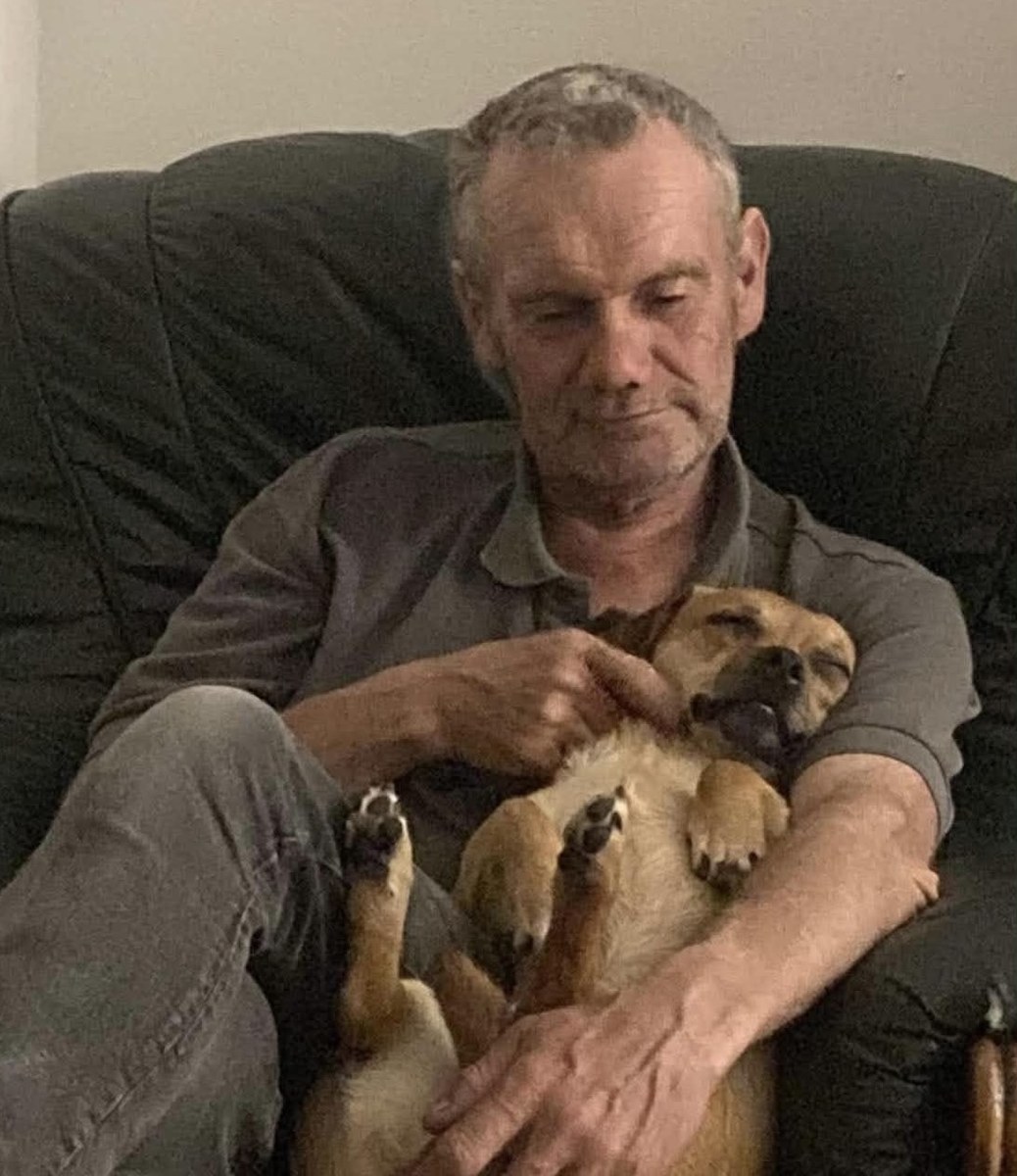
Matthew George/John Muldoon

Largs/Kerelaw School/Irvine

Added to UK Database · Chris Wittwer

April 2011

Matthew George loses appeal over Kerelaw School abuse

matthewgeorge

A man who preyed on troubled children at the former Kerelaw School in North Ayrshire is back in prison after losing his appeal against conviction.

Former art teacher Matthew George was jailed for 10 years in 2006 for a series of physical and sexual assaults at the Stevenston school.

The 61-year-old, from Largs, had been freed on bail to await the outcome of his appeal.

In 2007 Glasgow Council reported that there had been up to 400 allegations of physical or sexual abuse.

Kerelaw was closed in 2006 following a police probe into incidents of abuse.

The residential school was originally run by Strathclyde Regional Council and its successor, Glasgow City Council.

Mathew George

Some of the pupils there had family problems which kept them away from home, some were truanting from school and others had been sent there for offences involving violence, theft or drugs.

George’s victims were mostly boys aged about 14 or 15 and the offences dated back to 1978.

George was suspended and later sacked from his position after the allegations against him first emerged.

His trial heard how George helped out in the pupils’ living quarters when the school was short-staffed.

The trial heard how George would boast about his own sexual exploits, expose himself to boys in the shower, demand oral sex and, on one occasion, attempt to sodomise one of his pupils.

He would also use pupils as guinea pigs to show off his martial arts skills, subjecting them to punches and slaps and painful wrestling holds, sometimes completely without provocation.

George was jailed for 10 years after the jury found him guilty of 18 charges of physical and sexual abuse against pupils.

In his bid to overturn the conviction, George’s legal team had complained that they were not given adequate access to paperwork at Ayr Police Office during the investigation.

They claimed that prosecutors failed to disclose statements which had been made to social workers investigating complaints of ill-treatment at the school.

The lawyers also claimed that more than 100 individuals had come under suspicion at the school.

If they had been given a list, the defence argued it might have found evidence of false allegations which could have helped George at his trial.

George had also complained that his lawyers at the trial had not done a good job for him and that trial judge, Lady Paton, had wrongly allowed the jury to hear hearsay evidence.

Delivering the decision at the Court of Criminal Appeal in Edinburgh, Lord Osborne said: “It was clear from the witnesses’ evidence and demeanour that many of them had, as children, been very afraid of the appellant (George).

“Some of the incidents were nightmarish.”

m

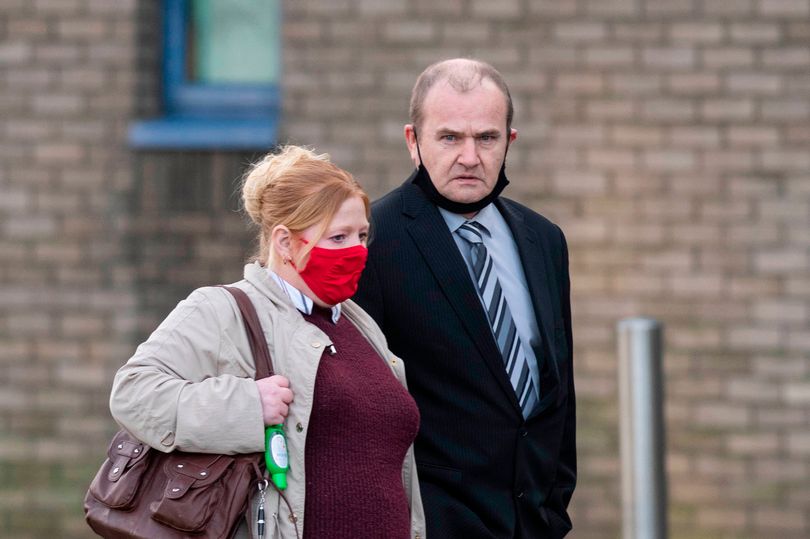
Residential care worker John Muldoon, 53, (pictured above) was sentenced to two-and-a-half years in jail for four offences. 

Muldoon from Irvine was found guilty of four charges of indecency against girls

Lord Osborne noted that if any ran away, because of their ill-treatment, George would be waiting for them when the police brought them back.

“The fear, unhappiness, pain and humiliation suffered by some of the pupils as children at Kerelaw has affected many of them throughout their adult lives,” he said.

The appeal judges made minor alterations to two charges – deleting an allegation that one boy had been pelted with golf balls and that an assault which involved slapping a girl on the head had happened only once, not several times.

Kerelaw had opened in the 1970s as a List D school, originally taking only boys but later accepting girls. Some youngsters had committed offences, and others were sent to the school because of unruly behaviour or difficulties at home.

BACKGROUND

2.1 The Inquiry was commissioned by the Scottish Government and Glasgow City Council, following a report prepared by the latter in August 2007 on the outcome of investigations into allegations of child abuse at Kerelaw Residential School and Secure Unit in Stevenston, Ayrshire. The School had closed at the end of 2004 and the Secure Unit in March 2006.

2.2 In April 2006 two former employees at the school were convicted on a number of historical charges of child abuse, including sexual elements, and received prison sentences. Glasgow City Council concluded that a core of around 40 staff had been involved in abuse over a period of some 25 years and that a much larger number of staff knew about the abuse and did nothing to stop it. A number of former employees at Kerelaw were disciplined, and some were dismissed. Some were referred to the SSSC and the General Teaching Council for Scotland ( GTCS) and to the Disqualified from Working with Children List ( DWCL). Some of those referred to the DWCL were listed.

2.3 The conclusions drawn by Glasgow City Council attracted significant criticism, from those who were the subject of investigations and disciplinary procedures, from their families, and from others who had worked at Kerelaw over the years and who felt their reputation had been tarnished. Many criticised the lack of detail in the Glasgow Report. The Inquiry was announced by the Minister for Children and Early Years in November 2007, with work scheduled to start in January 2008.

The School

kerelaw

4.1 Kerelaw was situated in Stevenston, 28 miles from Glasgow, near the north Ayrshire coast. It opened in 1970, becoming a “List D” School shortly afterwards under Scottish Office Circular SW/11 of 1972. Initially, Kerelaw had residential accommodation for 72 boys, mainly between the ages of 13 and 16. In 1983 a closed, Secure Unit designed for a maximum of 18 young people in mixed sex accommodation was added and took in its first occupants in 1985. This was extended in 1988 to cater for 24 young people – 16 boys and 8 girls.

4.2 Like other List D schools, Kerelaw was initially funded jointly by central and local government. In 1983 the Fides Report into List D schools recommended that funding responsibility should transfer fully to local authorities and this was effected by 1986. From then until 1996, when it was taken over by Glasgow City Council, Kerelaw was the responsibility of Strathclyde Regional Council. In its early years almost all pupils came from Strathclyde Region, although it did admit pupils from elsewhere from time to time. Later, Kerelaw enrolled up to 12 day pupils. By 1996, when Glasgow City Council took over, the capacity of the Open School was 26 residential places for boys and 24 for girls aged between 13 and 17, along with 12 day pupils and the 24 residential places in the Secure Unit, making it Scotland’s largest residential school at that time.


4.3 Although operating on a single site under the management of one Principal, Kerelaw had after 1983 two seemingly distinct operations: the Open School and the Secure Unit. The Open School comprised 4 units – Baird, Millerston, Wilson and Fleming; the Secure Unit 3 – Stuart, Bruce and Wallace.

4.4 All units in the Open School were of a similar design with bedrooms upstairs and living and recreational facilities on the ground floor. Each unit had kitchen, laundry and dining facilities and one or two adjoining flats generally used for throughcare. For some time after Kerelaw opened, young people in the Open School were required to share rooms, although this was phased out gradually to enable all to have individual rooms. Initially, the Secure Unit accommodation was mixed, with both boys and girls in each of the units. However, after 1998 it was reorganised to provide single-sex accommodation for girls in Stuart unit and boys in the others.

RANGE OF ALLEGATIONS OF ABUSE

7.1 A report prepared by Glasgow City Council for the Minister for Children and Young People dated August 2007 (which we refer to as “the Glasgow Report”) noted that there had been between 350 and 400 allegations from 159 complainants and that:

The complaints and allegations upheld either through the Court process or the Council’s disciplinary processes, show that the majority of physical and sexual abuse can be attributed to around 40 individuals over a 30-year period. However, the investigations, through interviews with a range of staff and young people, also identified that a far larger number of staff had knowledge and information about abuse and potential abuse, which was not appropriately dealt with.

For practical reasons associated with tracking down potential witnesses the internal investigations on which the report relied were weighted towards alleged incidents in the 1990s and early 2000s.

Police investigations and Court cases

7.2 The police inquiry – named “Operation Chalk”, and which was conducted alongside, not jointly with, the Council’s internal investigations – resulted in April 2006 in the conviction of an art teacher and a unit manager on charges of physical and sexual abuse. The teacher had faced an indictment of 49 charges of assault relating to the period 1975 to 2003, including 2 joint charges with the unit manager. Of those, 18 were of a sexual nature or had sexual elements involving allegations of actual sexual contact with young people. The unit manager’s indictment covered 38 charges of assault on a number of occasions between 1983 and 2003, including the 2 joint charges with the teacher. Of those, 16 had a sexual element.

7.3 The teacher was convicted on 18 counts relating to incidents between 1975 and 1995, half of which contained a sexual element and related to the period 1977 to 1990. The unit manager was convicted of 4 charges containing a sexual element, relating to the period 1992 -1994. The teacher was sentenced to 10 years’ imprisonment. 

7.4 The unit manager was sentenced to 30 months’ imprisonment and served his time. Unlike the teacher, he had been subject to investigation by Glasgow City Council in relation to staff complaints about his management style and to allegations of abuse of young people. He was referred to the police along with a number of individuals following an internal report to the Directors of Social Work and Education in June 2004.

7.5 In total, 21 individuals were reported to the Procurator Fiscal, mainly for physical abuse of young people. Two of those were convicted, as noted above, in 2006. As a result of a police report not related to “Operation Chalk”, another individual, a night worker, had been convicted in 2004 of physically assaulting a female resident. He had already been subject to a disciplinary procedure which resulted in a Final Written Warning, which was revisited but not changed after his conviction. He remained in employment with the Council but was then paid off. A fourth individual died. A female care worker at Kerelaw was also prosecuted, but was found not proven and acquitted in 2007 on charges relating to sexual relations with a minor while he was resident at Kerelaw School. This worker had previously been twice investigated, eventually disciplined by Glasgow City Council for gross misconduct, and dismissed. The Inquiry confirmed that by 2008 decisions had been taken by Crown Counsel following consideration of the report of the Procurator Fiscal not to proceed with any of the outstanding cases.

Allegations of abuse over the years

7.6 Kerelaw, like other child care establishments, was no stranger to complaints and allegations over the years, both before and after Glasgow City Council took responsibility in 1996. There is evidence that some of these were investigated, at least internally. Prior to 2004, a variety of concerns about how Kerelaw operated, about “what was going on” and about the behaviour of some of Kerelaw’s staff, had been expressed by external managers, by Kerelaw staff, social workers, and by others who had contact with the school. Again, some of these were looked into. However, none of these individual issues at the time sparked the scale of investigation subsequently undertaken by the Council. It is not possible to follow a single chain of events directly to the Council’s 2004 investigations. Rather, the evidence points the Inquiry to the coincidence of a number of related events, and a determination on the part of key individuals in and around Kerelaw to make themselves heard and to persist in ensuring that a thorough investigation was undertaken at last. Examples of relevant events are described below.

7.7 While the complaints system, as discussed at paragraphs 12.5-12.21, was inconsistent and in important respects deficient, it was used by some residents, and many complaints were followed up. A number of those involved complaints by non-Glasgow residents to their placing authorities. Between 1996 and 2000 a neighbouring local authority’s CRO became increasingly concerned about patterns of complaints about inappropriate restraint practices and physical assaults from young people placed at Kerelaw, and the unsatisfactory outcomes when these were investigated internally. These concerns were voiced to managers in Kerelaw to little effect, and escalated and reported to Social Work HQ in Glasgow. Although investigations of allegations in late 1997 did attract follow-up by external management, there was very little evident lasting impact. In August 2002 and in early 2003, the CRO detailed concerns in writing in SWSI questionnaires prior to inspection of the Kerelaw Secure Unit, but there appeared to be no substantive follow-up.

7.8 Those who investigated the 1997 allegations had concerns about aspects of practice and the possibility that staff were covering up for one another. They concluded that a number of practices in Kerelaw Open School needed to be urgently reviewed. A recommendation for disciplinary action was made in respect of one of the care workers concerned, but this was modified with the agreement of the Head of Service to management action by the then acting Principal. The rationale for this was to allow the individual concerned an opportunity to improve practice. The management action was properly followed up some time later by the acting Principal, and formally recorded.

7.9 Complaints and allegations which were investigated were dealt with as they arose and, in keeping with Council disciplinary procedures, warnings were considered “spent” after set periods of time. As a result, even though certain employees were the subject of investigation on more than one occasion, any pattern of past complaints or allegations was not usually taken into account. Although the neighbouring authority’s 1997 complaints had been investigated and followed up by the Head of Service, the Inquiry found little evidence of systematic senior internal or external management monitoring of the frequency of complaints against particular individuals, or of alarm bells ringing as to individuals’ practice. There were some concerns over certain night staff, about whom there had over the years been a number of complaints about heavy-handed treatment of residents, but any action tended to be ad hoc.

7.10 Growing concern about night staffing, particularly after a major disturbance (“the Kerelaw riot”) in May 1998, led to a review of night care arrangements. Among other things, this resulted in additional staff cover at night in each unit. This was a positive development, but complaints continued to surface. For example, in September 2001 two girls made allegations against a member of night staff who had previously given cause for concern. A further allegation was made against the same individual in December. However, fact-finding did not take place until the following June, by which time it was difficult to obtain evidence. In July 2004, another night-shift worker was, as noted at paragraph 7.5, convicted of assaulting a female resident, having previously been disciplined.

7.11 Complaints were not restricted to night staff. In 2001, for example, a unit manager was subject to a disciplinary hearing over an allegation of inappropriate restraint and was given management counselling. In January 2003 there was fact-finding into the “aeroplaning” of a boy by five Kerelaw staff. In March 2003, the same unit manager who had been given counselling as a result of the 2001 disciplinary action was again the subject of allegations, as was another member of the unit. This resulted in an investigation which did not end in disciplinary action. However, it was again decided that there should be a management discussion with the unit manager to deal with practice issues. This was led by the external manager, in the presence of the Principal. The manager was then moved and put in charge of the Millerston unit, where complaints in early 2004 about his management style set off a chain reaction of allegations of abuse carried out by a number of staff.

7.12 In the Summer of 2003 there were various complaints from young people of assault by members of staff during restraints, but investigations failed to obtain corroboration. In late October a teacher was investigated for inappropriate restraint, but again there was a lack of corroboration. In the Autumn and Winter a range of allegations by former residents and employees began to emerge. This coincided with clear signs that a number of staff felt under pressure as the proportion of difficult young people admitted to Kerelaw, and those aged over 16, grew. In December 2003 an ex-employee made a formal complaint through SIRCC about an assault on a young woman in which he alleged there had been a cover-up. This was followed up a few days later in an interview with the external manager.

7.13 There was also an issue around staff drinking on night duty over the New Year period. In January 2004 the external manager raised his growing concern over Kerelaw with the Head of Service and the Depute Director, Children and Families and Criminal Justice. With their agreement, he began to prepare a paper setting out those concerns and the basis for them. In February a female employee in Millerston unit alleged bullying by the manager, and made a formal complaint. She was joined by another female employee and an addictions worker, one of whom also alleged abusive behaviour towards a resident.

7.14 A former resident also came forward to allege abuse by a manager in the early 1990s. A former Deputy (Open School) raised concerns about oppression and bullying during the same period. A visiting SVQ assessor complained about the way a care worker spoke to a young person. A fourth female member of staff came forward with information relating to the manager of Millerston unit. In April a care worker in an exit interview with the external manager alleged that a boy in Millerston unit had “received a kicking”.

7.15 Despite the emerging allegations of abuse of residents and the growing concerns of the external manager, the initial response was to begin a fact-finding investigation of the allegations of bullying of staff by the manager of the Millerston unit. This began in April 2004 and was led by two Council officers from the Social Work Department. The unit manager was moved pro tem to Centenary House in Glasgow.

7.16 In May, not long after the publication of the report of a Care Commission/ HMIE Inspection carried out in November 2003, a former resident of Kerelaw, who had visited the school the previous year, contacted Glasgow City Council alleging abuse by a teacher in 1979. Although the person concerned was shortly afterwards interviewed by two members of Council staff, his allegations were quickly passed to the police, who began the investigation which led to the teacher’s conviction.

The Millerston investigation

7.17 During the fact-finding into the allegations of bullying of staff, employees raised a number of concerns about how young people at Kerelaw were cared for. Some residents then began to speak to the investigators. This was reported to the external manager and the Head of Service, who instructed the fact-finders to carry on with their investigations and consider the young people’s complaints. Young people consistently mentioned 4 staff at this stage and said they had complained in the past. They talked about a “zero tolerance” policy in Millerston Unit associated with an oppressive culture and inappropriate restraints. Staff used the same term to describe the policy. There were also suggestions that some unit staff engaged in a “worst worker” competition and that abusive language was regularly used in references to young people.

7.18 The investigators fairly quickly formed the view that the police should be informed. So far as we can establish, the external management view was that further internal work was needed. The Director of Social Work was not informed at that stage. The internal investigation continued. Having interviewed staff and residents, the 2 investigating officers completed their report in May and sent it to the Head of Service. They continued to argue that the matter should be escalated within the Council and that the police should be informed.

7.19 On 15 June the external manager, drawing on the findings of the Millerston investigation, on his own experience of Kerelaw, and on his interviews with individuals who had come forward to him over a period of several months, made a report to the Directors of Social Work and Education, and senior Department managers. This outlined the findings of the Millerston investigation. It made serious criticisms of local management, and referred to poor relations in Kerelaw’s SMT, cliques and undermining gossip to which these were said to be related, and poor communications between the Secure Unit and Open School.

7.20 His report also noted failures in the response to previous complaints about the unit manager on whom the investigation had initially focused. It referred to a number of flawed disposals in other disciplinary cases, including those related to night-shift workers. The report recommended further investigations, including investigation of senior management failures at Kerelaw. This was agreed, and the Director of Social Work decided that the police had to be involved. A number of staff had already been suspended and further suspensions were to follow, including that of the Principal of Kerelaw, on grounds of management failure.

Establishment of the joint investigation team

7.21 More allegations emerged. In Summer 2004 the Council set up a joint investigation team to consider current and historical allegations of abuse against a number of Kerelaw staff and managers. Initially, the expectation was that the Council investigators would work jointly with the police, and that only a few months would be needed to complete their work. In practice, police and Council investigations ran in parallel, and took significantly longer than a few months.

THE NATURE OF ABUSE

Glasgow’ City Council’s investigations

8.1 The conclusion of Glasgow City Council investigators, as we noted at paragraph 2.2, was that a core of around 40 staff was involved in abuse and a much larger number colluded over a long period of time. The publicity given to this conclusion, and the inferences drawn as to the nature of the abuse, brought a strong reaction from many former Kerelaw managers and staff. Many expressed disbelief and shock, on their own behalf or on behalf of others. Some remain angry about what was reported, expressing disdain for Glasgow City Council and the investigation that continues to be aired in the media and various public forums.

8.2 These strong reactions are not confined to those who were subject to allegations and implicated in abuse. Some who left Kerelaw with an unblemished record consider that they have been branded guilty by association. Others, whose involvement was to place young people in Kerelaw, worry about the extent to which they may have colluded in abuse without knowing. Many who were the subject of unsubstantiated allegations are angry about the Glasgow Report. Others are concerned that the report adversely affects the whole residential child care sector, undermining confidence and casting doubt on the ability of anyone involved to care properly for young people. The Inquiry notes that a significant number of ex-staff who were interviewed told us that they had not read the report at all, some commenting that it was hardly worthwhile, given its short length.

8.3 Some former residents have also expressed concerns about what has been said about Kerelaw. It was home for a time to a great many young people over more than 30 years and some who felt that they had a good experience have been upset by the negative commentary on Kerelaw and the people who worked there. Such commentary has caused concern to families and friends, and to organisations involved with the survivors of abuse.

8.4 Although it was not the Inquiry’s remit to consider individual cases, we took the view that we should test the Council’s conclusion and look closely at what the abuse was. This revealed a more complex picture than might be inferred from the brief Glasgow Report. The report stated that a range of allegations of abuse resulted in disciplinary proceedings against 23 of 38 staff who were subject to fact-finding investigations. The allegations constituted a substantial list and included physical assault, some of it arising from the inappropriate use of restraint, including pain compliance, sexual misconduct, excessive horseplay, and aggressive behaviour. Investigations were also said to have uncovered examples of emotional abuse in which young people were denigrated and disparaged.

8.5 While the Inquiry was able to confirm from the records we checked that 38 people had been subject to fact-finding, we identified 29 individuals who by the end of 2008 had in fact been disciplined. We are aware that disciplinary action continued after the Glasgow Report was published and this may account for the disparity between the Inquiry’s figure of 29 and the Council’s figure of 23 at August 2008, although we were unable to confirm this. The disciplinary actions resulted in 14 dismissals and 13 individuals received other disciplinary outcomes, including written warnings and management discussion followed by return to work. Most of those who were dismissed appealed, but only one appeal was upheld by the Council’s Appeals sub-committee, with a reduced penalty of a final written warning. Some then went on to Employment Appeals Tribunals which deemed dismissal to be unfair in the case of the Principal and the Deputy Head (Open School). The Council conceded two Tribunals on procedural grounds. Two have lapsed or been withdrawn by the appellant and three remain active.

8.6 Many who gave evidence to the Inquiry disputed the picture painted by the Glasgow Report and by the media coverage of the Court cases involving the art teacher and the unit manager. Those included supporters of both men, ex-employees, former sessional workers and academics. Some ex-staff accepted that physical abuse may have taken place, but argued that it was not intentional or that it was not regarded as abuse at the time.

Sexual abuse

8.7 Some of the criticism of the Glasgow Report was strongly expressed, notably in relation to the inference that might be drawn that sexual abuse was widespread, systematic and longstanding. Many former staff who gave evidence found it hard to believe that sexual abuse had occurred, but accepted that convictions had been secured. Some with hindsight questioned whether they themselves had been sufficiently observant. There was agreement by witnesses that sexual abuse is by its nature secret and, as a result, difficult to secure sufficient evidence to prosecute; and there was recognition that sexual abuse beyond that which came before the Court in 2006 might have occurred, without their being aware of it. A small number of witnesses were unwilling to accept the verdicts of the Court.

8.8 The Inquiry is not in a position to say whether sexual abuse occurred on a larger scale or over a longer period than established by the convictions of two former employees. The Inquiry was not charged with looking at individual allegations and we did not seek any out. We note that beyond the three ex-employees who went to Court on sexually-related charges, there have been no further prosecutions for sexual abuse at Kerelaw so far. At the time of writing we understand that there are no current police inquiries into allegations of sexual abuse at Kerelaw, although the possibility of further complaints of criminal conduct and police inquiries cannot be ruled out.

8.9 We also note that, although the Glasgow Report refers to sexual, physical and emotional abuse, sexual abuse and misconduct accounted for a small proportion of the allegations made to investigators and followed up by them. This is consistent with research into large-scale abuse in residential settings. According to Barter 12 (2003) writing on the abuse of children in residential care:

Within US research no clear pattern has emerged regarding the type of abuse children in residential facilities most commonly report. Both US research and the limited number of UK studies suggest that sexual abuse is not the most commonly reported form of institutional maltreatment.

8.10 On the other hand, according to Barter:

……there may exist substantial differences between what abuse occurs and what is reported. Due to the secretive nature of sexual abuse there may be fewer opportunities for external individuals to witness and subsequently to report the incident. Children themselves may be particularly reluctant to report sexual abuse, feeling embarrassed or that they may not be believed.

8.11 While we cannot form a view of the scale of sexual abuse at Kerelaw beyond what has been established in the Court, only 21 cases of alleged abuse of different kinds were referred to the Procurator Fiscal. These included those with a sexual element. It would therefore be very unfortunate if the inference drawn from the broad-brush conclusions in the Glasgow Report and the associated media coverage was that all of the core of staff to which the Report referred were involved in sexual abuse.

Physical abuse

8.12 The question of what constituted physical abuse and how widespread it was is complex. The proposition that there had been physical abuse as suggested by the Glasgow Report was challenged by a number of staff who had been subject to investigation and by others who came forward to the Inquiry. The most robust denial was from some of those who had been disciplined, although there was also recognition that certain practices which had once been acceptable had become unacceptable with the passage of years, as child protection policies and regulation had developed and as societal sensitivities to violence against children and young people had strengthened. Some witnesses – ex-residents and staff alike – seemed able both to deny that abuse took place and at the same time describe practices that were abusive.

8.13 Glasgow City Council’s investigators interviewed employees of the school prior to its closure, past employees, former and current residents, parents and associated professionals, and scrutinised a large number of records and logs. The Inquiry received oral evidence from all but one of the 13 people who were at one time or another directly part of the investigation team and accessed written records of their interviews with over 90 young people and 100 staff during their two-year investigation.

8.14 Not all the residents or former residents interviewed by the Council’s investigators made allegations. A number said that their experiences at Kerelaw had been positive. Some appeared to accept violence against them as a normal part of their lives or in some cases had concluded that it was justified by reference to their behaviour at the time. Some took the view that the good things offset bad things that happened to them. It was, however, possible from the records of the interviews to build a picture of an institution where – irrespective of whether specific allegations against particular individuals were in all respects substantiated – maintaining staff control over young people had a high priority, and where physical restraint played a significant part in many young people’s lives. The Inquiry received evidence from former staff and others which confirmed this picture, and which was described by some witnesses as the result of a legacy of Kerelaw’s origins as a List D school. We shall return to this inChapter 9

8.15 A number of witnesses put it to the Inquiry that, as Kerelaw was required to manage a difficult client group, staff had to be in a position to maintain order, for their own safety as well as that of the young people. We acknowledge that appropriate levels of control are necessary in a volatile environment if staff are to feel safe and secure in the workplace, and if young people are to be protected, sometimes from themselves. This may from time to time require physical intervention. Order is also important if constructive work is to be done with a potentially disruptive client group. But it is neither acceptable nor productive if physical intervention becomes the first or indeed the “normal” response to actual or potential disruption. Nor is it acceptable if physical intervention is used as punishment, or takes place outside approved procedures, or is disproportionate to the circumstances to which it is a response.

8.16 Evidence from the Council’s investigations and from ex-employees and young people to the Inquiry suggests that for some staff at Kerelaw physical intervention was a first, rather than a last, resort in dealing with difficult behaviours. This appears to have been an approach that became particularly favoured by certain individuals as the client group’s behavioural problems became more challenging. Young people who had been restrained in other residential establishments, and who had experience of how restraint should be carried out, often complained to investigators that on many occasions it was not practised in accordance with the approved procedures. The evidence also suggests that practice could vary from unit to unit and be dependent on which staff were in charge at the time. An ex-teacher put it to the Inquiry that if physical intervention was followed properly:

THE CHILD AT THE CENTRE

Children’s Rights

12.1 The Inquiry considered what life was like on a day-to-day basis for young people at Kerelaw and the extent to which those responsible for their care exercised their duties appropriately and placed the needs, welfare and rights of children at the centre. In 1997 Kerelaw’s statement of objectives noted:

Rights are now viewed as an everyday concern for staff and residents alike. This has been brought about through training and open access to local authority’s rights workers and Who Cares? Negotiation, support, responsibility, mediation and active listening are central to this issue and at every level there are opportunities to voice concerns.

12.2 A number of former staff told the Inquiry that Kerelaw encouraged CROs and other advocacy staff to visit children placed by their authorities. They appeared to recognise the importance of such services in safeguarding children in their care. However, inspections of the Open School in 1999 and 2000 by North Ayrshire Council reported that:

information regarding external advocacy services and children’s rights was not available throughout the units and young people displayed a lack of awareness about how to access this information.

and:

inconsistency regarding the display of information about children’s rights across the school……..Some young people seemed to have no access to their local authority Children’s Rights Officer.

12.3 The Inquiry interviewed a number of CROs who had worked with children placed at Kerelaw. We also interviewed “Who Cares?” staff. All the advocacy workers we spoke to expressed concerns about Kerelaw. They were not always made welcome and sometimes were treated dismissively or ignored by staff. They also faced obstruction as they attempted to carry out their work. For example, one cited being denied access to key operating procedures without reasonable explanation. This made it difficult for advocacy workers to challenge particular working practices or advise children.

12.4 The Inquiry also heard that some staff at Kerelaw did not seem to understand the role of the CRO or indeed the centrality of children’s rights in the “looked after” system. This was illustrated by the example of a member of staff asking “what about our rights?” The Inquiry was told of one CROhaving to explain that children’s rights were not dependent on their responsibilities, although it did not mean children had no responsibilities. We heard of one young person being told by staff that there was no point in talking to the CRO as the latter could not change anything. However, not all the staff at Kerelaw were unwelcoming to advocacy workers or resistant to embracing children’s rights. In some units they were made welcome, private space was made available, and young people were encouraged and supported to approach them.

Complaints

12.5 An effective complaints system is of fundamental importance to the safeguarding of children, and the principle that young people in residential care require visible and accessible complaints procedures is widely accepted. There was a complaints procedure at Kerelaw. Documentation from 1997, 2000 and various points thereafter refer to such a procedure, and mechanisms were in place for both informal and formal complaint and allegation handling. Formal complaints leaflets appear to have been in place from at least 1997 and Glasgow City Council complaints procedures should have applied. Although all inspection reports from 1996 to 2004 acknowledge there was a procedure in place, various issues were raised as to how this was working in practice.

12.6 The Inquiry heard mixed accounts of the complaints procedure from both ex-staff and ex-residents. Some said it was well-used and effective. Others said making complaints was discouraged, the process was inconsistent and too slow, and outcomes were poorly communicated. Inconsistency in the way complaints were dealt with from one unit to another is evident in inspection reports. Generally, over the years, young people told inspectors they were aware of their right to complain and the procedure they should follow. However, inspectors noted that records of complaints and their outcomes were not always as detailed as they should have been and young people did not always receive written feedback. Responses and outcomes to some complaints were extremely brief and at times barely legible. Inadequate records of feedback raised questions about the effectiveness of the complaints system.

12.7 Most former staff who gave evidence to the Inquiry were aware, as they should have been, of the complaints procedure. Some elements appear to have been well understood. Some ex-staff talked about supporting young people to write complaints as they recognised that this was important in terms of safeguarding and promoting children’s rights. Others appear to have considered it a matter of operational requirement rather than good practice. Staff attitudes to complaints were raised in two inspection reports. In one there was concern that young people were discouraged from submitting complaints because of a belief that these would not be treated seriously due to the “jokey” stance of the staff. In another report inspectors noted that complaints in one unit were treated in a minimalist fashion.

12.8 Access to complaints forms was also inconsistent. The Inquiry heard that it was standard practice for complaints paperwork to be distributed only by a duty manager. This meant that children could not raise issues anonymously or choose whom best to complain to. There were many pressures on young people not to make complaints. We were told of complaints often being withdrawn by young people. The Inquiry saw a form which had been drawn up for this purpose. Sometimes there would be a genuine change of mind, perhaps after the young person had reflected on the issue. However, in one well documented case we heard of a complaint being withdrawn because of peer pressure as a promised outing had allegedly been cancelled because staff had to attend fact-finding interviews. Peer pressure was a common disincentive. In the opinion of one external advocate, who had strong views:

The internal complaints procedure at Kerelaw was wholly inadequate. Complaints were not acknowledged in writing and young people did not receive responses verbally or in writing. ……young people were intimidated by staff (and other young people) when they did make complaints and some were later withdrawn as a result……young people feared intimidation and reprisals so much that the whole complaints procedure was undermined.

12.9 The Inquiry concluded that some staff and young people had little confidence in the complaints system. One young person interviewed by Council investigators encapsulated a prevalent view that:

…there was no point in complaining as nothing was done…

while another was more specific:

…… he had completed a complaints form several times about being hurt in restraints and passed them to his unit manager … he had not received any acknowledgement of his complaints. No one had spoken to him about his complaints, nothing had been done.

12.10 Kerelaw managers stated in evidence that they were told to do different things by Glasgow City Council at different points in time, but maintained that they always passed allegations outside the school, and often arranged for joint investigations to be carried out with external placing authority representatives. There is documentary evidence to support that: some complaints and allegations did make it out of Kerelaw, but by no means all. When they did, rights workers, parents or in some cases fieldwork staff were generally instrumental in ensuring they were followed up.

12.11 We are aware of two local authorities raising significant concerns about the manner in which allegations of mistreatment were handled by both Kerelaw and the Council over a number of years. These allegations included emotional, verbal and physical abuse as well as concern about how practices like strip searching, single separation and restraint were carried out. A number of investigations were conducted involving external fact-finders. However, the Inquiry is aware of one occasion where the Principal refused to cooperate in a joint investigation because he did not agree with the choice of investigator and insisted the individual was replaced. The Head of Service agreed to this and appointed a different fact-finder.

12.12 The Inquiry read documents and spoke to staff from a placing authority which had removed children from Kerelaw following child protection investigations in 2000 and 2002. The Director of Social Work of this authority followed up with senior managers in Glasgow City Council and assumed incorrectly that the authority’s concerns were being followed through at the highest level.

12.13 In 2001, Glasgow City Council implemented new procedures for complaints and allegations entitled Complaints and Allegations – Keeping Children and Young People Safe. This followed a review of the Council’s complaints-handling practice in line with the findings of the Edinburgh Inquiry in 1999 and the Kent Report of 1997. The Waterhouse Report 21 in 2000 had also recommended the vigorous promotion by local authorities to children and staff of its complaints procedures for looked after children.

12.14 Keeping Young People Safe defined separately complaints (expressions of dissatisfaction about services) and allegations (concerns raised about possible abuse or harm) and set out different responses: a standard complaints procedure route and a child protection route. It made a distinction between informal and formal complaints. It emphasised the value of trying to achieve resolution at as early a stage as possible, and provided for informal complaints to be addressed at a local level with negotiation and dialogue aimed at securing resolution without the need to invoke formal mechanisms. Within the informal route the young person was able to choose to formalise his or her complaint if he or she was not satisfied with the response.

12.15 The procedures included standard forms of paperwork covering among other things provision of information to young people and residential staff. Timescales for investigation, providing feedback and appeals mechanisms were set down and there was provision for monitoring complaints and allegations. The Keeper of the Child Protection Register in the Council was charged with responsibility for recording all complaints and allegations on a central log and was required to report to the Head of Children and Families and Criminal Justice every 4 weeks, and to the Child Protection Committee on an annual basis.

12.16 Even after the 2001 procedures were distributed some ambiguity remained as to what constituted a complaint. Some senior staff at Kerelaw refused to acknowledge a complaint unless it had been written down on paper and signed off by a resident. We were told that on one occasion external fact-finders arrived at Kerelaw to investigate an oral allegation of mistreatment, and were sent away on the grounds that the allegation was not recognised as a valid, recorded complaint. The Inquiry heard from advocacy workers that much perseverance and determination were required to follow up on complaints and allegations made by young people. Many people who gave evidence to the Inquiry said that the default position within Kerelaw was that there was no case to answer.

12.17 Kerelaw was excluded from the complaints monitoring and recording arrangements introduced within the 2001 procedures for other Glasgow units. It operated its own separate system for recording complaints and allegations and relied on the external manager to provide oversight and monitoring. The Inquiry was unable to locate the relevant logs. The requirements placed on the Keeper of the Child Protection Register in the Council to record all complaints centrally, to report to the Head of Service and to the Child Protection Committee did not include Kerelaw. The new arrangements included the introduction into residential units of boxes into which complaints could be posted. The boxes would be emptied by an administrator from outside the unit. Kerelaw apparently did not accept the boxes and it seems that although their introduction was supported by external management, the matter was not pressed or, it seems, implemented until 2004.

12.18 The Inquiry acknowledges that even those who had negative comments to make about aspects of Kerelaw’s approach accepted that some staff and systems worked for some children on some occasions. Some complaints and allegations were investigated and recorded appropriately. The outcomes in such instances may well have been beneficial for children and for developing professional practices. As we have noted, some staff supported children in expressing themselves and complaining either formally or informally. Such staff made constructive efforts to respond to children’s concerns speedily and in a manner which offered resolution without the need for formalisation.

12.19 In 2002 SWSI, in its follow-up inspection of the Secure Unit, recommended that the complaints procedures, which were correctly those of the managing authority, needed to reflect specific arrangements at Kerelaw. This was recorded as having been achieved in the November 2003 integrated inspection, although it was noted that Kerelaw still needed to set these procedures out clearly in the information pack supplied to placing authorities. The Care Commission inspection reports of 2003 and 2004 note that Kerelaw was not displaying the details nor including them as part of the complaints procedure, and the final integrated inspection of the Open School in 2004 noted that the complaints procedure did not meet regulatory requirements.

Admission arrangements

12.20 Although there were procedures for planned admissions to Kerelaw, we heard from a number of different sources that many, and at times most, admissions were on an emergency basis. We read correspondence and minutes of meetings which confirm that emergency admission was the most typical route. In 1997, 40% of all admissions were made on that basis. Pre-placement meetings occurred for some young people, but we heard about children often being dropped off by social workers, the police or the standby service at a point of crisis. High numbers of emergency, rather than planned admissions, can often have a detrimental effect on the care of a group of young people as there is no opportunity to ensure the mix is appropriate. Children arriving on an unplanned basis, often in crisis and sometimes in the middle of the night, is unsettling for those already in placement.

12.21 A secure screening group met weekly in Glasgow to prioritise admissions to secure care. A central prioritisation group met to allocate placements within residential schools, and would often ratify admission decisions in retrospect. Kerelaw managers were directly involved in both processes. Fieldworkers and residential care staff told the Inquiry that the process did not facilitate the matching of placements to children’s needs. Kerelaw was often used because it had more capacity than other establishments, and Glasgow City Council as managing authority was able to direct admissions to a greater extent.

12.22 Some suggested that Kerelaw, as a local authority resource, was not in a position to be as selective as other establishments and took more than its fair share of inappropriate admissions. The lack of alternative specialist resources, in particular for young people with mental health problems and learning difficulties, also led to many inappropriate placements. Expectations of quality care and positive outcomes were not high, but Kerelaw fulfilled a purpose. There was a frequently reported view that Kerelaw was no more than a dumping ground for young people who had particular problems or who had “failed” in other placements. Most Council managers who gave evidence to the Inquiry conceded that Kerelaw was not ideal and some said that it functioned as a “safety valve in a dysfunctional system”.

12.23 We heard from different people and read evidence suggesting that there were also occasions when children were accepted on a respite basis. At times this involved their sleeping in beds only temporarily empty due to other children being on home leave. This was highly inappropriate and communicated a lack of care to both the child on leave and the child on respite.

12.24 The Inquiry was told that the age profile of the young people in Kerelaw increased over the years, with many young people over the age of 16 placed there. Minutes of screening groups we read indicated that a shortage of supported aftercare placements meant that those who had started at Kerelaw at 14 or 15 had to remain there much longer than had been planned. Children who are brought up at home with their families are rarely ready to leave home at 16, and keeping them within the children’s system until they are at least 18 can be good practice. However, the right support needs to be in place to prepare them for moving on. This was one of the challenges in caring for a group of young people whose age range was steadily increasing.

12.25 At times, Kerelaw was able to offer dedicated staff to this group to help them prepare for the future. In the mid-1990s the Deputy Head (Open School) designated unused accommodation for independent living as a base for preparing young people over the age of 16 for leaving Kerelaw. This was not resourced properly and relied on staff working extra hours to keep it operational. Some of those who spoke to the Inquiry praised the initiative as innovative and necessary. Others considered that the arrangements were badly thought out and poorly managed. As we noted at paragraph 10.20, the facility was ended in early 1999, following concerns about a budget overspend, although the Deputy Head (Open School) tried unsuccessfully, including through a direct intervention with the Depute Director of Social Work, to keep the initiative alive.

12.26 At other times, young people approaching adulthood were largely left to their own devices and little in the way of effective throughcare work appears to have taken place. There is some evidence that young people were discharged in an emergency when their Kerelaw placement broke down. Thus both the routes in and out of Kerelaw for young people were often when they were experiencing significant difficulties. This is bound to have had a negative impact on the atmosphere and stability of the care setting.

Needs Assessment, Care Planning, Interventions and Review

12.27 The Inquiry considered the arrangements for assessment and care planning for children placed in Kerelaw. We read the available fieldwork and residential files for a sample of 30 young people who had been placed at Kerelaw between 1996 and 2006. We found a mixed picture. With so many young people placed on an emergency basis, social workers had little opportunity for care planning prior to admission. Glasgow City Council fieldworkers had significant caseloads. One former senior child care manager said that in the early 2000s only about 30% of looked after children in Glasgow had care plans, and that some child care fieldwork teams were running with 50% vacancies. This is not surprising given the severe shortage of qualified social workers which the Council was experiencing at the time, and it meant that many children in care did not have an allocated worker. The Inquiry is concerned at the impact this must have had on effective care planning, safeguarding and review for children in care.

The role of fieldworkers

12.28 Fieldworkers should have had a central role in ensuring that placements in Kerelaw were appropriate, planned and purposeful. Glasgow City Council set out responsibilities in terms of care planning and review procedures in 2002 in response to the Looking after Children In Scotland, Good Parenting Good Outcomes material. These procedures superseded review procedures established by Strathclyde Region and amended in 1990 and 1995. In 2004 the Council updated the 2002 procedures.

12.29 From our file sample we concluded that recording practices varied considerably in scope, quality and accuracy. We were particularly concerned about the lack of attention to detail evidenced for example by different spellings of children’s names and different dates of birth for the same child. This lack of quality control may lead to problems retrieving data in the future. The Inquiry found this careless approach to recording important information about children under the care of the Council disconcerting, and would be concerned if the lack of attention it implied had been replicated in direct engagement with young people. In some case files the recording was so poor it was not possible to establish the frequency of contact between the worker and the child. Nor was it always clear what work was being carried out.

12.30 We were able to draw some conclusions about the progress of care plans from reports provided for Children’s Hearing and Looked After Children reviews. However, we noted that there was rarely a complete set of Looked After Children review paperwork. Often papers had not been tabled in advance of reviews and we assume had therefore not been discussed with the young person. We found it difficult to track progress between reviews, mainly because of the similarity of information presented on each occasion. We found little detail in the files of focused or specific interventions whether by fieldworkers, care staff, education staff or specialist services.

12.31 In the papers sampled, a lot of care planning activity seemed to be about home leave negotiations. The use of home leave was encouraged by Kerelaw. It was used as a way to help children retain contact with family and community life as well as a process of developing independent living capacity. Its cancellation was used as a sanction. We saw little reference to specific needs assessment, risk assessment or planned interventions, and the impression gained was of action planning being more about sustaining the Kerelaw placement, rather than addressing particular issues or behaviours which had contributed to the decision to accommodate the young person there in the first place. The Inquiry recognises that this approach may be appropriate for some young people at key times in their placement journey, but the apparent lack of other action planning was unsatisfactory.

12.32 Fieldworkers we talked to said they would assess and draw up care plans, but because they did not have the necessarily resources, they could not deliver the plan. Day-to-day implementation of the plan was generally up to Kerelaw staff. We did see evidence of prolonged social work involvement with young people and their families prior to admission to Kerelaw. There was evidence that attempts had been made to support young people when they were in the community. Some had been supported at home or in foster care or residential care before placement at Kerelaw. Referrals to other agencies and projects for community support, group work and addiction services were evident. When a young person moved to Kerelaw, access to support services revolved round the school, and meaningful links with community services was minimal.

12.33 The Inquiry reviewed a small sample and we appreciate this may not be fully representative. However, it was clear that poor recording made it difficult to judge the appropriateness of fieldwork responses or establish the extent to which fieldworkers were able to drive care plans or follow through on safeguarding concerns. We also found unrelated files mixed in with the sampled files, which suggested that, should a young person ever wish access to his or her file in the future, he or she would be most unlikely to obtain the “misplaced” material. This is poor administrative practice and has an echo of the unsatisfactory record-keeping which was an important deficiency identified by Tom Shaw in his report on systemic child abuse in Scotland published in 2007 22

The role of Kerelaw staff

12.34 Ex-staff from Kerelaw told us that the concept of care planning within the school was emphasised following the arrival of the new Deputy Head (Open School) in 1993. The 1997 statement of objectives clarifies the Kerelaw approach to care planning as follows:

Individual care planning is the important building block for all young people referred to Kerelaw. Planning is undertaken by the key worker in collaboration with teacher, social worker, young person and family from the first stages of pre admission, to through care planning in the final phase. The care plan is promoted through weekly planned supervision sessions between key worker and resident and monthly with the key teacher. The Child in Care Review is the appropriate forum for significant modification to the care plan and these follow the local authorities approved format

12.35 The Inquiry heard that staff welcomed this new emphasis and were involved in care planning with young people. Many recognised that as key workers they could develop good relationships with young people and make progress with care planning objectives. From our review of Kerelaw files, we found a range of proformas, care planning materials and recorded information on young people’s progress. We were told that individual units developed different approaches and would adapt the forms, but that between 1999 and 2000 common care plans were introduced. However, we gained little sense of joint working between the placing social worker and Kerelaw staff. There was often no direct correlation between formal Looked After Children care plan actions and objectives, and the day-to-day personal plans and records held in the residential unit.

12.36 Specialist addiction counselling, offending behaviour programmes and cognitive skills training were offered at Kerelaw, but we saw no written evidence of this work within individual records we sampled and can therefore make no judgement on its impact. Some fieldworkers said there was very little therapeutic intervention at Kerelaw and that, despite much being said by the school about its programmes, little was evident in reality. We did not find evidence on which to judge the accuracy of such assertions.

Absconding

12.37 Absconding appears to have been a regular and routine part of life for many young people at Kerelaw. Responses to children missing from placement varied. Some staff would try to prevent young people absconding, and would sometimes search the immediate area to try to get the young person to return. On other occasions, staff would simply record the absconding, notify the police, and await the young person’s return.

12.38 All of the above responses may be appropriate, depending on the circumstances. Responses to absconding have changed over time within the residential sector. The Council’s Missing from Placement Procedure issued in 2000 and updated in 2004 differentiates between a “missing child” and a “failure to return”. The procedure acknowledges that placement staff need to exercise judgement as to response, depending on the assessed needs of and risks to the young person concerned, and his or her pattern of absconding. The procedure prescribes administrative arrangements for alerting Social Work HQ, notifying the police, the fieldworker and the child’s parents.

12.39 The Inquiry heard from a number of former staff of the challenge of assessing risk and intervening appropriately. Some former staff took the view that, on a child’s return, often late at night, and under the influence of alcohol or drugs, they had a duty to ensure the safety and wellbeing of the child. Some spoke sensitively about balancing the need to assess the risk the young person posed on return to himself or herself, and to others, with the need to ensure he or she was fed, made comfortable and brought back into the life of the unit. Conversely, we heard about punitive attitudes among night staff who saw their job as simply getting the returning absconder off to bed. This limited interpretation of their role seems not to have stretched to consideration of needs or risks, although we did hear that night staff felt overwhelmed at times having to collect absconders from distant locations, or search the grounds for absconders while maintaining sufficient presence in the units.

12.40 Some young people ran away because of incidents at the school or confrontations with staff or other residents. Absconding became a particular problem in late 2003 and early 2004, but we found little or no evidence of monitoring absconding rates across units, across shifts or across time periods to establish reasons. A significant increase in absconding in late 2003 appears to have been ascribed largely to the nature of the young people being sent to Kerelaw who, as we note at paragraphs 7.12 and 10.30, seemed by then to have become more challenging. But it is hard to escape the conclusion that there was over the years a degree of complacency on the part of the school and Glasgow City Council, and a lack of concern for what the young people involved might have been trying to say. A number of former staff told us that, with hindsight, they had asked themselves, not simply where did the young persons run to, but why did they run, and whether they were running from something that was happening at Kerelaw.

THE CLOSURE OF KERELAW

14.1 The Open School at Kerelaw closed at the end of December 2004 and the Secure Unit in March 2006. A number of former employees suggested to the Inquiry that Glasgow City Council had been waiting for an opportunity to close the school and the speed with which they did so was evidence of that. By extension, some argued, abuse allegations were exaggerated and a witch-hunt was pursued against staff to justify the decision. Linked with this, it was suggested by some that the Council called on the Care Commission and HMIE to bring forward the next scheduled inspection to August 2004 as cover for a decision which had already been taken.

14.2 A variation on this claim is that, if the situation was as bad as it was alleged to be in August 2004, the report of the Care Commission/ HMIENovember 2003 inspection would have been much worse than it was; or alternatively, the situation deteriorated so badly after June 2004 because the Council removed the Principal and a large number of staff following the Millerston investigation and the report to the Directors, and because the Deputy (Open School) was also absent on sick leave.

14.3 The turmoil after June 2004 will certainly have had an impact, but there are flaws in such reasoning. As previously noted, the report of the integrated Care Commission/ HMIE inspection of the Open School in November 2003, which was published in April 2004, was far from satisfactory, although it did note positive features as well as weaknesses. Inspectors identified 4 key strengths, including improvements to aspects of residential accommodation, but, as we discussed at paragraph 10.39, there were also a number of concerns, which included follow-up to the previous inspection, and planning for improvement.

14.4 The Inquiry can see why some might argue that, if the position at Kerelaw was as bad as that described in the report of the August 2004 Care Commssion/ HMIE inspection, the April 2004 report of the November 2003 inspection would have been much worse. However, while no specific child care protection issues were highlighted, it was noted that staffing levels within the units were inadequate at times, an issue which the Principal had been raising with HQ, and there were concerns around climate and relationships and other areas. There was moreover, “soft information” which was shared among inspectors prior to the August 2004 inspection which indicated that they had a number of serious concerns which had developed over a period of time.

14.5 This “soft information” referred to concern about the effectiveness of senior management, and raised questions around external management, a macho culture, a bullying management culture, staff cliques and relationships, information weaknesses, night staff attitudes, and TCI. All of these are issues identified as problematic by the Inquiry from the evidence we received. We were told by the Care Commission that the information had been collated from staff who had been involved in previous inspections, but as we have noted (see paragraph 11.11), although these were therefore presumably present in the minds of at least some inspectors at the time of the Care Commission/ HMIE inspection in November 2003, they were not reflected in the April 2004 report. As we have noted, concerns clearly identified by others, including those involved in inspection, failed to translate into concerted action to put things right until August 2004.

14.6 The Inquiry is aware that, although on occasions some placing authorities were sufficiently worried about the safety and well-being of particular children to move them from Kerelaw, they continued to use the school. While in some cases they were bound by Panel decisions in relation to secure accommodation which specifically named Kerelaw, it appears that many individuals and authorities were unhappy about Kerelaw over the years. They were able to overcome their reservations, and the fact that they did so may be an indication of how convenient, or indeed essential, Kerelaw was considered to be at the time as a resource for dealing with their most challenging young people. Their continued use of Kerelaw cannot be construed as evidence that there were no concerns until after the Millerston investigation in 2004, the change in the management team in June, and the suspension of staff.

14.7 A further flaw in the argument that abuse was exaggerated as part of a hidden agenda to close the school is that the report of the August 2004 inspection clearly implies an expectation that Kerelaw was to continue as a going concern. The report outlined planned follow-through inspection activity and indicated that an action plan had been sought from the Council on how it proposed to address the main findings. The intention was that the Care Commission and HMIE would monitor progress and that an interim report would be published within six months. The report noted the intention of the Care Commission and HMIE to conduct a full follow-through inspection within two years.

14.8 It is possible that Glasgow City Council hoped to use the findings of the Care Commission/ HMIE inspection to provide cover for a decision that had already been taken to close the school, but we found no evidence to support that. We were told by a number of witnesses that the Directors of Social Work and Education visited the school in June 2004 and told managers that it would close, although when we checked this, we were informed that it related to a decision to close the school to new admissions while investigations continued, not to shut it down. We also heard in evidence that, when the external manager was put in charge of the school in June as acting Principal, his remit was to continue to operate Kerelaw as a going concern, and admissions to the Secure Unit resumed in August. We also saw papers suggesting that work was continuing to be taken forward on the plans to rebuild the Secure Unit.

14.9 It does not appear to the Inquiry that a decision had been taken to shut down Kerelaw as early as June 2004, although it seems that the view began to form at a senior level that closure might be the most appropriate outcome. The fact that Kerelaw was operating with lower numbers following the agreement to restrict admissions in May, and the closure to new admissions in June, had financial implications. A report to committee in August 2004 noted that numbers in the Open School had fallen to just over half its capacity of 50, although there had been only a small reduction in the Secure Unit. It stated that, prior to June 2004, Kerelaw generated approximately £5.9 million revenue through the sale of places against a budget of £5 million.

14.10 Although Glasgow City Council itself was the source of much of that revenue, it was forecast that, if the ban on new admissions at the Open School continued, numbers would reduce to zero by early 2005. An income loss of over £2 million to the Social Work Budget was said to be the estimated consequence, although another important calculation would have been the additional cost of accommodating 50 young people in alternative, more expensive, residential accommodation. The report noted that there were at the time 116 Glasgow children resident in voluntary sector schools and secure units at a cost of nearly £11 million.

14.11 The report also noted that the intention was to rebuild the Kerelaw Secure Unit on the present site with financial assistance from central government, and that there was potential for the Open School to provide complementary services alongside this. It was pointed out that if Kerelaw did not exist, other more expensive options would be needed. It was suggested that the Open School required to be modernised, that the opportunity to reduce numbers should be taken, and the feasibility of developing more specialised, high quality services should be explored. The report envisaged a progress report, in the light of the Care Commission/ HMIE inspection and the investigations, to include options and proposals for service development at Kerelaw School. There was no recommendation at that stage that Kerelaw be closed down.

14.12 The Inquiry was not able to find a written audit trail leading up to the proposal which went to Committee on 15 October 2004. A Sunday newspaper report on 26 September claimed that Kerelaw was facing the axe and “an insider” was quoted as saying that the Care Commission report was very, very serious. An article in a tabloid newspaper at the end of the month asked if Kerelaw was doomed and referred to the Care Commission’s serious concerns. Although we found no evidence, it might be inferred that views within the Council were moving towards closure and that these were leaking to the press,

14.13 We heard in evidence about growing concern among a range of elected members at what they were hearing about the police inquiry and the impact of the internal investigations on the running of Kerelaw. We were told that “a feeling just grew” that closure was probably the best option. It appears that this feeling solidified into something much firmer from sometime in the Summer. On 12 October, the same day as the Care Commission served an Improvement Notice on the Council, the Directors of Social Work and Education wrote to Kerelaw staff saying that the Care Commission/HMIE Inspection report would be published on 15 October, and that they would be recommending closure of the Open School consistent with Council policy to reduce use of residential care. They said they would also be recommending continuation of the Secure Unit under an alternative supplier. Two days later, a press report, accompanied by a photograph of the Director of Education, said that Social Work chiefs wanted Kerelaw closed.

14.14 We alluded in Chapter 6 to the policy debates which have surrounded residential child care over a number of years. In common with other authorities, Glasgow City Council embraced the proposition that alternatives to residential child care should be developed. We also formed the view from the evidence we heard that a number of senior Social Work managers had been for some time at best sceptical about the role of residential establishments in meeting the needs of the Kerelaw client group, although not, it would appear, to the point of stopping sending young people there.

14.15 In February 2002, the Director of Social Work (by 2004, the Director of Education) had reported to committee on a proposed realignment of residential child care within Glasgow, in which he described the number of placements in children’s units as being in excess of the Council’s capacity. The paper noted that the top priority for the following 5 years was to continue to shift the balance from residential to foster care, and to reduce the number of looked after children in residential establishments. Closure of Kerelaw was therefore consistent with Council policy, but it seems unlikely that, without the catalyst of the Millerston investigation, the subsequent explosion of allegations, and the August 2004 Care Commission/ HMIEinspection, it would have happened when it did.

14.16 The report to committee on 15 October 2004 recommended a decision in principle to close the Open School by the end of the 2004-05 financial year and to continue to take no further admissions. There was a statutory requirement to consult and the Director Social Work was authorised to do so. The Scottish Executive was to be advised that the Council was seeking an alternative provider of secure care and discussions subsequently took place with the Scottish Executive and with other providers. One such provider became involved in negotiations over a period of many weeks, but in the event no agreement was reached and the Council continued to run the Secure Unit until March 2006. The Open School closed rather more quickly than anticipated, at the end of December 2004.

Arrangements for residents

14.17 Once Glasgow City Council had decided to close Kerelaw, plans had to be made for the young people still living there. The Inquiry learned that the 4 young people on sentences in the Secure Unit were able either to complete their sentences at Kerelaw or move on to prison at 18 as planned.

14.18 The Inquiry heard that, when staff and young people were told in October 2004 that Kerelaw was closing, there was considerable grief. At this point many employees were suspended and 2 units in the open school were closed. We heard that staff and young people were distraught, which was in contrast to their previous feelings. We heard that young people still living at Kerelaw wrote to the Director of Social Work as they felt they had not been involved in the decision to close, or in the investigations. They also complained that Care Commission officers had not spoken to them during the August 2004 inspection and they wanted to say they had a good experience at Kerelaw. However, the Care Commission told the Inquiry that the inspection team spent around a week at Kerelaw in August 2004 and engaged with a large number of young people. We heard that, following the closure decision, the Director went to Kerelaw and spoke to the young people, but we gained the impression that the impact of announcing the closure of Kerelaw on those young people living there had not been anticipated or planned for. Yet, for some of those young people Kerelaw was home.

14.19 The Inquiry was told that the Council involved advocacy workers in care planning as they moved young people on to other placements. We heard that rigorous efforts were made to ensure that young people were appropriately placed. The Inquiry read minutes of the Secure Screening Group in Glasgow, including some “Kerelaw Care Plan Discussions” from early 2006. These involved the young people remaining in the Kerelaw Secure Unit as it approached closure. These minutes suggest that a thorough and individual approach was taken to planning for this group of young people.